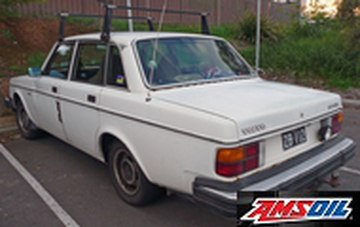
Maintaining Lubrication Standards for the 1982 Volvo GL 2.1L
Proper engine care for a vehicle of this era requires a focus on consistent monitoring and adherence to specific fluid requirements. For the 1982 Volvo GL equipped with the 2.1L B21F engine, maintaining the integrity of the lubrication system is a fundamental aspect of long-term mechanical health. Because older engines operate under different thermal and mechanical stresses than modern counterparts, owners should prioritize high-quality lubricants and regular inspections to ensure continued performance.Monitoring Fluid Integrity and Condition
A proactive approach to maintenance involves more than just following a schedule; it requires an observant eye during routine service. For the 1982 Volvo GL, checking the condition of the engine oil can provide early indicators of how the engine is operating. When inspecting the lubricant, look for changes in color or consistency that might suggest contamination. If the oil appears excessively dark or contains visible particulates, it may warrant an investigation into the filtration system or the frequency of oil changes. Furthermore, observing the area around the engine for any signs of seepage can help identify aging gaskets or seals before they lead to significant fluid loss. While many older vehicles exhibit minor weeping from various sealing surfaces, any active drip or heavy accumulation of residue should be addressed promptly to prevent further issues.Observing Potential Warning Signs
Identifying changes in vehicle behavior early can prevent more extensive mechanical work later. Owners of the 2.1L B21F engine should remain attentive to several key indicators:- Unusual Noises: Any new or persistent mechanical sounds during startup or operation should be investigated, as these can sometimes be associated with changes in lubrication levels or quality.
- Fluid Consumption: If you notice that the oil level on the dipstick is dropping more rapidly than expected between service intervals, this may indicate an issue that requires professional diagnosis.
- Visual Indicators: Keep an eye out for any warning lights on the dashboard related to engine operation. An oil-related indicator requires immediate attention to prevent potential damage.
- Exhaust Observations: While exhaust characteristics can be influenced by many factors, changes in the color or consistency of exhaust gases can sometimes be linked to how the engine is managing its internal fluids.
Prioritizing Long-Term Engine Health
As vehicles age, the strategy for maintenance often shifts from simple part replacement to condition-based monitoring. For an owner of a 1982 Volvo GL, establishing a baseline of how the vehicle operates under normal conditions is highly beneficial. If you do not have access to a complete service history, performing a thorough inspection of all fluids and accessible components can help create this baseline. When reviewing maintenance records, look for patterns in fluid consumption or frequent repairs. This information helps distinguish between routine preventive maintenance and necessary corrective actions. Rather than replacing parts based solely on the age of the vehicle, focus on the actual condition of the materials. For example, inspect hoses and any equipped drive belts for signs of cracking, glazing, or fraying. If these components appear supple and intact, they may not require immediate replacement, whereas visible deterioration suggests they should be addressed soon.Managing Aging Components and Seals
Over time, the various gaskets and seals within an engine compartment can undergo changes due to heat cycles and age. For the 1982 Volvo GL, it is wise to perform regular visual checks of sealing surfaces. Look for evidence of oil seepage or residue buildup around the engine block and other relevant areas. If you notice signs of seepage, do not immediately assume a specific seal has failed. Instead, treat it as an opportunity to inspect the surrounding area for other potential issues, such as aging electrical connections or loose mounting hardware. Maintaining a clean engine bay can also make it much easier to spot new leaks early, as dirt and grime often mask small amounts of escaping fluid.Practical Steps for Consistent Service
To ensure the 2.1L B21F engine remains well-maintained, consistency is key. This involves not only changing the oil but also ensuring that all related service items are addressed. If equipped, inspect air filtration components to ensure the engine is receiving clean air, as restricted airflow can impact overall engine efficiency and cleanliness. Additionally, if your vehicle has a cooling system, monitoring its condition is vital. While the cooling system and lubrication system are distinct, an engine that struggles with temperature management can place undue stress on the engine oil, potentially leading to faster degradation of the lubricant's properties. Keeping all systems in good working order creates a more stable environment for the engine to operate within.Buying Engine Oil for your 1982 Volvo GL 2.1L
When it is time to replenish your engine's lubrication, accuracy in selection is paramount. You should match the engine oil to the application-specific viscosity information already displayed on this page. Avoid making assumptions about which grade of oil is best based solely on the vehicle's age or the current season; instead, rely on the specific data provided for this exact 1982 Volvo GL engine. When shopping for products, consider the following:- Verify Labeling: Always check the product packaging to ensure it meets the necessary quality standards and certifications required for your application.
- Evaluate Formulations: Depending on your specific needs, you may encounter conventional oils, synthetic blends, or full synthetic options. Some high-mileage oil formulations contain additives intended for use in aging engines, including seal-conditioning additives, which may be a consideration for older vehicles.
- Check Certification: Ensure the oil carries the appropriate API certification to confirm it meets modern standards for engine protection and deposit control.